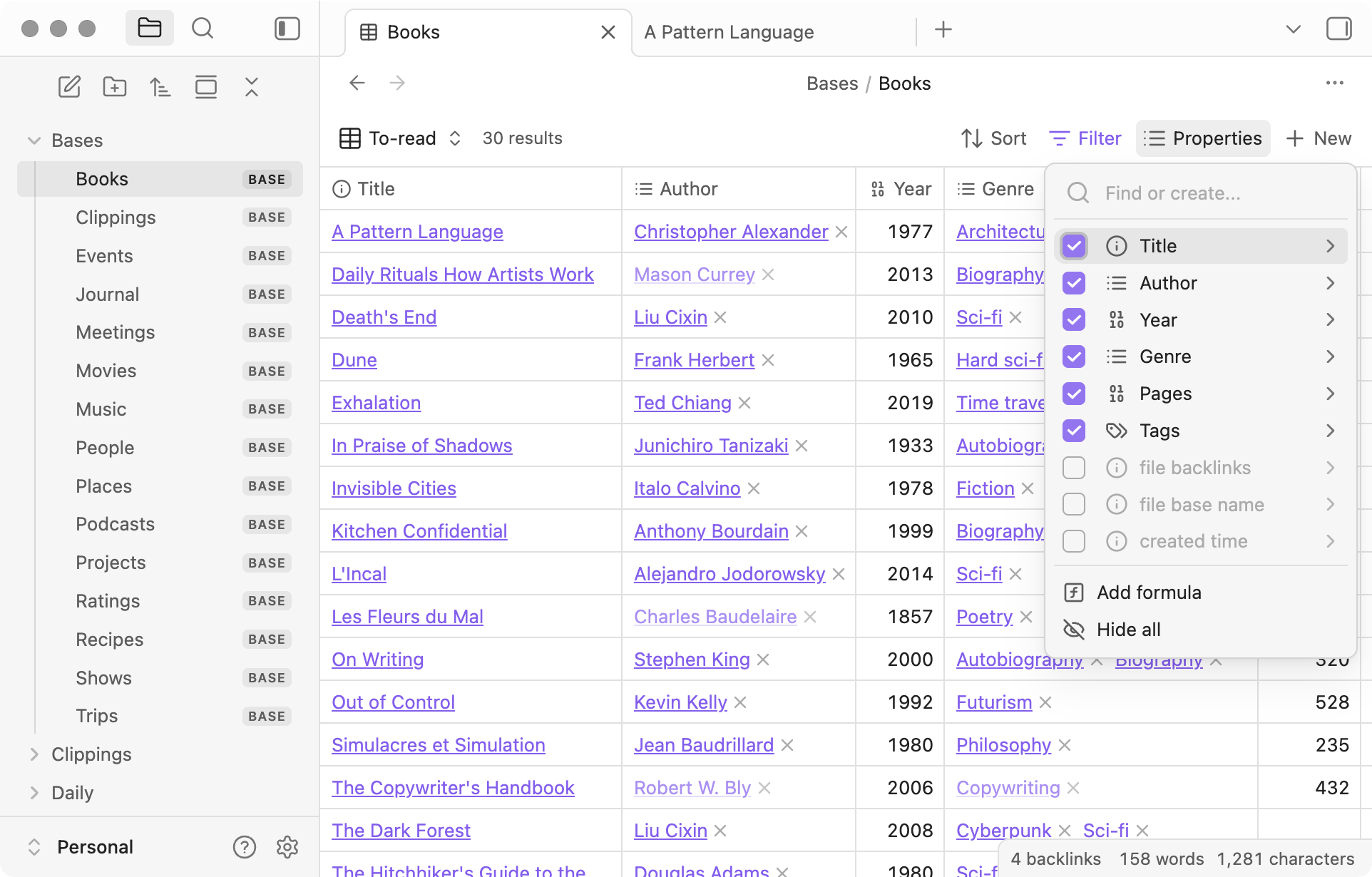
Note organization · 3 min read
Give each note one next destination
A small routing rule for notes that otherwise become a second inbox.
Read the note ↗NOTES / RESEARCH-BASED
Each note names the job, the setup and the point where someone still has to check the result. These are documented workflows and evidence analyses, not claims of hands-on testing.
No matches. Try a broader topic or reset the filters.
Note organization · 3 min read
A small routing rule for notes that otherwise become a second inbox.
Read the note ↗Meetings · 2 min read
A transcript summary is a draft of the record, not a project plan.
Read the note ↗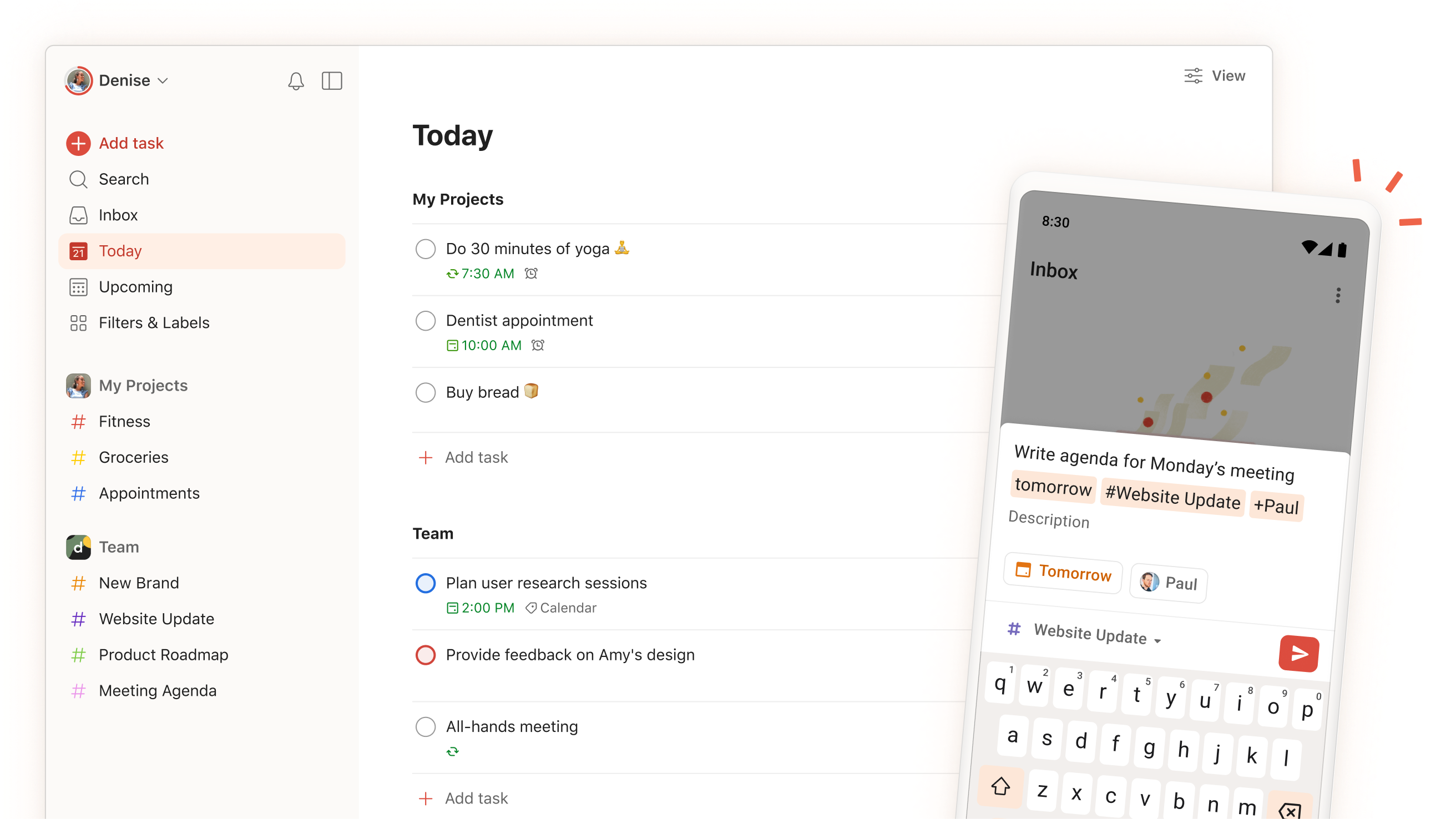
Task and calendar capacity · 2 min read
Calendar sync makes work visible, but availability has its own rules.
Read the note ↗Research workflow · 2 min read
A source-grounded answer still needs a human check at the claim level.
Read the note ↗Automation · 2 min read
A workflow that can fail quietly needs a recovery plan on the same page as the trigger.
Read the note ↗Automation · 2 min read
Version recovery fixes future runs; side effects need their own audit.
Read the note ↗Coding productivity evidence · 2 min read
A surprising result matters most when its task and participants stay attached.
Read the note ↗Coding productivity evidence · 2 min read
METR's follow-up changed the study design while preserving the earlier finding.
Read the note ↗Multimodal handoff · 2 min read
Moving a notebook into a broader assistant changes what an answer may draw on.
Read the note ↗Knowledge export · 2 min read
A documented export button is the start of a migration check, not its end.
Read the note ↗Historical workflow evidence · 2 min read
Coda's move to Superhuman Docs shows the difference between preserved data and working integrations.
Read the note ↗Privacy workflow · 2 min read
Check the account control, then decide whether the material should enter the tool at all.
Read the note ↗