Documentation-based proposal; not a hands-on test
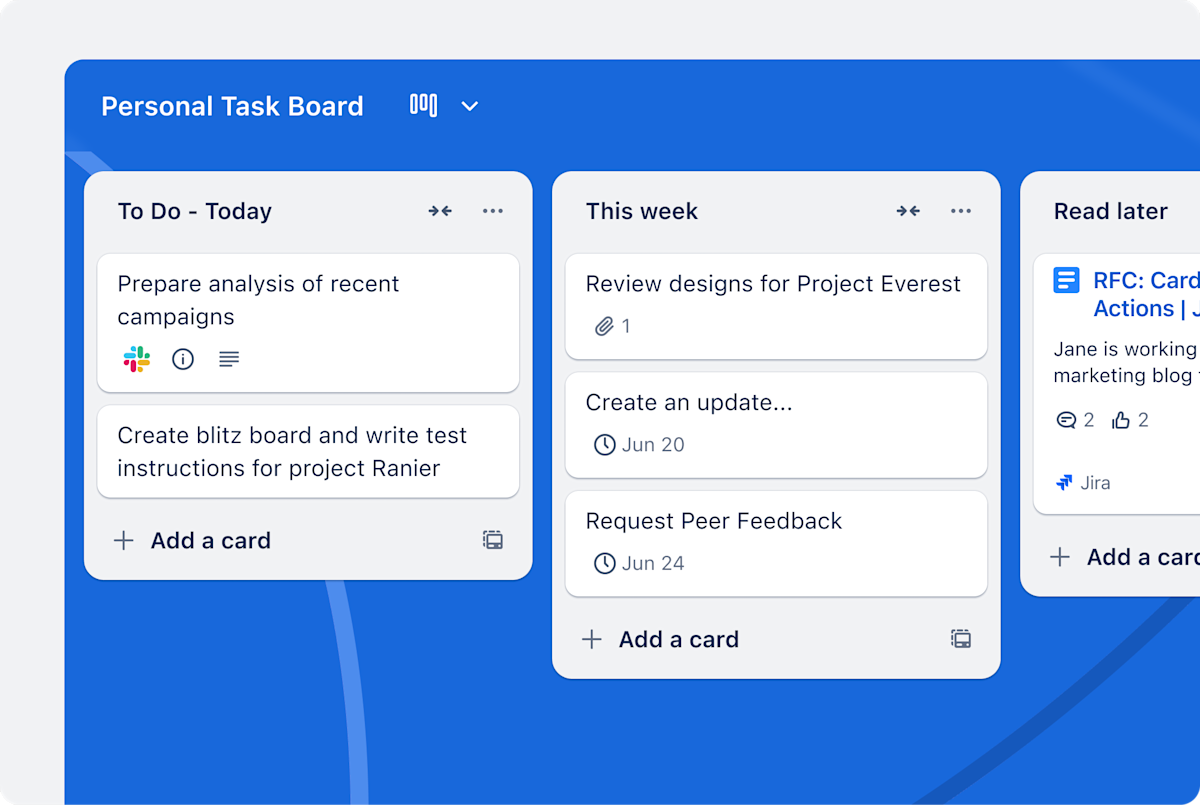
Treat each recap as a source, not the task list
A recurring meeting can create a new notes document every week while the work itself continues across months. Copying every generated action into a task manager creates duplicates; trusting only the latest recap can erase an earlier commitment. The operating rule is simple: meeting records provide evidence of what was discussed, while one chosen system holds the current action.
That distinction matters because recap tools have their own boundaries. Microsoft’s Teams recap documentation says AI notes and follow-up tasks draw on the event transcript and other meeting data and may be inaccurate, incomplete, or inappropriate. Google’s Meet notes documentation says generated notes can include decisions and action items, are attached to the Calendar event, and may also be incomplete or inaccurate. Neither record automatically knows which existing task a new sentence should update.
Build a reconciliation queue
After each meeting, copy candidate actions into a temporary table. Do not create final tasks yet.
| Field | Purpose |
|---|---|
| Meeting occurrence | Date and stable link to that specific recap |
| Source wording | Exact action as written or a clearly marked transcript note |
| Proposed owner/date | What the meeting record appears to assign |
| Existing task | Link to a possible current record |
| Conflict | Owner, deadline, scope, status, or duplicate |
| Resolution | Create, update, merge, cancel, or clarify |
Search the task system by deliverable and project, not just by the wording used in the meeting. “Send draft,” “share first version,” and “circulate proposal” may refer to one deliverable. Match on the object, expected outcome, and context. Keep the meeting phrase in the task’s source note so a later reader can trace the decision.
Resolve conflicts with a defined order
First, prefer an explicit decision recorded during the meeting over an inferred action generated from discussion. Second, prefer a later explicit change over an earlier commitment when the later meeting clearly references the same work. Third, ask the named owner when ownership or scope is ambiguous. Never use attendance alone to infer responsibility.
When dates conflict, preserve both in the reconciliation row and record who approved the change. When owners conflict, do not assign two people “just in case”; name one directly responsible owner and optional collaborators. When an action is canceled, close the existing task with the meeting link and reason instead of deleting it. That history prevents the same item from being resurrected at the next recurrence.
Run a short human confirmation
Send the reconciled list, not the whole recap, to action owners. Ask them to confirm only exceptions: wrong owner, wrong date, wrong scope, or already complete. Silence should not authorize a high-impact commitment, but it can be an agreed convention for routine low-risk work if the team has set that rule in advance.
A hypothetical example: three weekly meetings mention a launch checklist. Week one assigns a draft to operations for Friday. Week two moves review to design and says “next Tuesday.” Week three’s generated recap creates a fresh task for operations. Reconciliation links all three records, keeps one current task, records the date change, and asks whether design owns review while operations still owns the checklist. This illustrates the method; it is not a real meeting result.
Publish the current state once
After confirmation, update the system of record and place a compact link in the meeting series notes. The notes can retain historical actions, but should label them superseded, merged, or completed. For communicating progress between meetings, use the source-derived status format instead of generating another shadow task list.
- Collect candidate actions with occurrence-specific source links.
- Match them to existing tasks by deliverable and outcome.
- Record and resolve owner, date, scope, and status conflicts.
- Ask owners to confirm exceptions.
- Update one task system and link back from the meeting record.
This procedure is deliberately distinct from the existing short note about turning one recap into owned actions: the hard problem here is reconciling repeated, conflicting records over time.
Before you hand it over
Use this as a working check, not certification. Checks stay in this page only and reset on reload.
0 of 5 checked
Sources & verification
Product details are based on the linked documentation. The proposed workflow and worked examples are editorial guidance, not measured test results.
- Recap in Microsoft TeamsSource date: not stated · Retrieved: 2026-09-19T12:39:20.1443518-07:00
Inputs to intelligent recap, AI-generated notes and follow-up tasks, access boundaries, and the warning that generated content may be inaccurate or incomplete.
- Take notes for me in Google MeetSource date: not stated · Retrieved: 2026-09-19T12:39:20.1443518-07:00
Meeting-note storage and sharing, inclusion of decisions and action items, and documented risk of incomplete or inaccurate summaries.
Continue the workflow
- Review a shared-inbox draft without colliding or sending early
A small-team shared-inbox routine that prevents duplicate replies, context leakage, approval confusion, and accidental sends.
- Write an asynchronous status update from source records
A compact status-update format for freelancers and small teams that readers can verify without scheduling another meeting.
- Otter's meeting-notice email is a toggle, not a default
Otter's own settings documentation shows which recording notices are opt-in and which an admin can force.
- Slack's huddle notes need someone to switch them on each time
Slack's own FAQ shows AI huddle notes require a manual toggle, but the resulting canvas is visible to the whole channel.